Showing posts with label evp. Show all posts

Friday, May 16, 2014

Campbell Soup: Make a Difference Week


“Campbell’s most inspiring achievements are not measured in dollars, but in the spirit of our employees who volunteer thousands of hours to build and sustain healthy communities. From the C-suite to the plant floor, Campbell’s people are motivated to enhance the quality of life in the areas where we live and work, starting right here in Camden.”--Denise Morrison, President and CEO, Campbell Soup Company
Campbell Soup Company celebrates Make a Difference Week April 4 through 11. (The event started as a day-long celebration, but seven years ago, when more employees wanted to volunteer, the company expanded it to a full week.) Over 3,000 employees across the United States are expected to participate in one of the 70 projects planned for the week. Planting trees at a local school, reading to children, sorting and boxing food for food banks, building raised vegetable gardens, and preparing backpacks full of food for children who might not have anything to eat during the weekend are some of the activities planned for the eager volunteers. The company, its employees, and even some partner organizations are tweeting about Make a Difference Week using #CampbellMADW.

CEO Morrison told reporter Mark Abrams, "“We believe that employee engagement is really important and drives better performance, and so if we can get our people engaged in the community, they realize that you can make a profit and make a difference.”


Make a Difference Week is only one aspect to the portfolio of CSR initiatives sponsored by the company. Campbell's CSR activities stem from a reflective and thorough CSR philosophy with four strategic focus areas:
  • Nourishing Our Planet: Environmental stewardship 
  • Nourishing Our Consumers: Our interactions with customers and consumers 
  • Nourishing Our Neighbors: Community service 
  • Nourishing Our Employees: Building a high-performance workplace
(Using "nourishing" is a nice reflection of their core products and industry. Interestingly, too, the names are not tied to issue areas but to key stakeholder groups.) Each focus area is clearly connected to strategic goals with relevant and clear metrics. The Global Reporting Guidelines inform Campbell's reporting which is available for interested parties to download. The Sustainability/Community Affairs team maintains a separate twitter account.

Campbell's efforts in their hometown, Camden, New Jersey, may be particularly critical since a range of social and economic problems bedevil the city, which is the poorest in America according to 2011 census data. Additionally, it has the highest crime rate among cities in the United States. Children in Camden are more likely to live in poverty than those in surrounding cities, and only 49% of students graduate high school.

To revitalize their hometown, Campbell's created the Healthy Communities program. Camden is a signature town for the program, and Campell's has funded neighborhood improvements and a community soup kitchen as they provide nutrition education, advocate and assist in food access and physical education, and maintain cooperation with community stakeholders.

Of particular note, Campbell Soup Company also cultivates skill-based employee volunteerism. In the 2013 fiscal year, skills-based volunteering accounted for 20% of total volunteer hours, allowing Human Resource professionals to assist community members in writing resumes and preparing for interviews, while chefs and nutritionists provided healthy cooking and nutrition demonstrations for young people, and members of the Marketing group provided local non-profit organizations assistance with marketing and development plans.

Whether traditional or skills-based volunteerism, the Campell Soup Foundation provides eligible non-profit organizations with a $500 grant for every 25 volunteer hours contributed by an employee through the "Dollars for Doers" program. Employees also participate in design teams that develop innovative products to respond to issues related to hunger. These include the produce-to-donate products Just Peachy (a salsa sold to benefit the Food Bank of South Jersey), Super Smoothie (donated to children in need through non-profit partner organizations), and Nourish (a hearty, nutritious meal in a can donated to Food Bank Canada and Free the Children).

Based on their exemplary CSR activities and strong corporate ethics, for the fifth year, Campbell Soup Company has been recognized by Corporate Responsibility Magazine as a top corporate citizen. In 2010, Campbell Soup Company received the Corporate Engagement Award of Excellence from the Points of Light Foundation, which highlighted the company's skills-based volunteer efforts and the company's work in hunger relief efforts. Then-CEO Douglas R. Conant commented, "We deeply appreciate this award, as it recognizes the efforts and dedication of Campbell employees who freely give of their time and share their expertise to help others. Our company is absolutely committed to making a difference in the communities in which we operate and to nourishing peoples' lives everywhere, every day."

Whenever I have my students analyze a company, the final question usually requires them to provide recommendations for improvement. I remind them that even companies that perform very well can always do something to improve. I myself have to turn a very critical eye to find areas for improvement. One suggestion might be to include all of the performance metrics in a single location, since some of the data distributed across the website isn't included in the formal CSR report. Though this might be available through a private employee volunteer portal, more information about employees' roles in CSR and a chance to interact with others could enhance employee engagement. Overall, Campbell's CSR program, as well as its sustainability initiatives and reporting, exemplify current best practices in the field. Their CSR portal provides valuable information about the content and communication of CSR activities that serve as a model for other corporations.

Monday, May 5, 2014

EVP at Aramark

"Delivering experiences that enrich and nourish lives is who we are and what we do. For ARAMARK, it's about making life better for those who matter to us most – our employees, our customers, clients, and communities. We're in the people business and we bring our unique skills and culture of service to our work and to our communities,"--Bev Dribin, Vice President, Community Relations  
ARAMARK, headquartered in Philadelphia, PA, provides uniforms, food, and facilities management to organizations across diverse industries including universities, health facilities, cultural attractions, correctional institutions, and conference and conventions centers. The company consistently receives honors such as listing on the "World's Most Admired Companies" by Fortune Magazine and most ethical company by Ethisphere Institue.

As part of their overarching CSR strategy which includes the focus areas employee advocacy, environmental stewardship, health and wellness, and community involvement, employee volunteerism and philanthropy are administered under the ARAMARK Building Community (ABC) program. Regional STAR teams adopt community centers to help them build capacity. Other employee volunteers with expertise in human resources offer youth and adults provide career guidance. Given the large percentage of the business devoted to food services, organizing health and wellness education corresponds to one of the company's core competencies. Holding drives to collect basic necessities such as food, clothing, and toys represents another pillar of ABC. Employees can donate to non-profit organizations. In 2009, Aramark was recognized as a finalist for the U.S. Chamber of Commerce Corporate Citizenship Award.

This year, ARAMARK celebrated its first Global Volunteer Day on March 19. Across the globe. Aramark associates participated in activities to strengthen their communities. Employees in India worked with Mutally Beneficial Activities Foundation, a group that helps increase the self-esteem of disabled children. UK volunteers provided nutrition and healthy cooking education. Many other groups worked at food pantries, helped beautiful community centers, made healthy food packs, and painted murals. ABC 6 in Philadelphia covered the local Global Volunteer Day events at the Kensington Community Center.


ARAMARK volunteers at Atlanta Mission's My Sister's House

ARAMARK dietitian provides education about healthy food choices

ARAMARK volunteers from Ingalls Memorial Hospital prepared over 400 meals for those in need.
ARAMARK provides some explanation of the motivation behind their extensive employee volunteerism:
"Volunteerism can create stronger connections with employees. People want to work for responsible companies and to feel that they are part of a larger social effort. A focus on services can strengthen understanding of company values and history and also create relationships with co-workers and communities,"--ARAMARK Website
ARAMARK's employee volunteerism is also notable for its strategic and skill-based focus, whereby dieticians working for ARAMARK provide education about healthy eating, cooks provide cooking demonstration, human resource specialists provide career counseling and so on. Although not all volunteer events meet this criterion, all the events do fall under one of the four CSR focus areas that reflect the business's core competencies. Employees at all levels are encouraged to participate, not just on the Global Volunteer Day, but throughout the year. In conjunction with other employee awards, the company recognizes an Outstanding Employee Volunteer.

I was unable to find a blog or twitter account that promoted ARAMARK's CSR and linked it to the company's mission and strategic goals (though there is a Facebook page). This information might be on an internal network. Besides information for 2009, I couldn't find statistics about the impact of the community activities, though I did find that Aramark uses the Enablon platform to track its CSR activities. It's very possible my searches overlooked this, but I couldn't find a CSR report for the firm, either. Keeping this information internal might be deliberate. Some companies don't want to advertise their CSR activities too extensively for fear of accusations of greenwashing or profit-motives. At the same time, it's information that would be interesting for clients, potential clients, employees, applicants, and investors.

ARAMARK published an extensive toolkit for employees regarding the 2014 Global Volunteer Day which can provide insights and ideas for companies considering similar events.

Wednesday, April 30, 2014

PG&E: Commitment to California


“For PG&E, giving back to our communities is really about caring for our customers and for the future of California. We apply the expertise we've gained over our 100 year history of serving Californians to provide support and opportunity for our neighbors who need it most."
Ezra Garrett 
PG&E Vice President of Community Relations and Chief Sustainability Officer
PG&E employees and volunteers pose outside of Bakersfield City Hall after planting flowers (April 2013).
To celebrate National Volunteer Month (NVM), PG&E announced that they aimed to contribute 50,000 employee volunteer hours to advance their three signature programs: education, the environment, and economic and community vitality. This tops the 48,000 employee volunteer hours logged in 2013.

NVM corresponds to PG&E's Month of Service. During April, the company organized over 100 activities across Northern California, including food distribution, neighborhood emergency training, and installation of solar panels on Habitat for Humanity homes. Employee volunteers will also work on clean-up and restoration projects at selected California State Parks, marking the 13th year of partnership with the California State Park Foundation.

Employee volunteer planting native plants atMontaƱa de Oro State Park

The kick-off activity for the company's second Month of Service had employee volunteers help prepare and service meals at The Mission at Kern County, a homeless shelter in Bakersfield. Other groups made no-sew blankets for babies in homeless shelters across the San Francisco Valley.

Addressing a group of volunteers assembled to help clean-up and beautify Bakersfield's downtown, Mayor Harvey Hall remarked, “The Power of Blue is very evident." After removing litter, painting a mural as well as traffic control boxes, PG&E employees were recognized as Volunteer Group of the Year.

“I have fun when I do it. I get to meet people and really connect with the community,” affirmed Yolanda Montejano PG&E Contact Center Operations Safety Lead, of the Fresno division. Rich Garcia, energy solutions and service manager for the Yosemite division, noted, “[I]t gives you a sense of pride to know that PG&E is part of the community and is making a difference.”

Affirming the importance of the Month of Service, Tony Earley, PG&E’s chairman, CEO and president, was present for some events and even literally got his hands dirty at a cleanup event in Golden Gate Park. Information reporting the events was included on the company blog, Currents. I imagine that internal communications, and possibly signs, tables, or other special events promoted Month of Service activities.

Employee volunteerism, during the Month of Service and throughout the year, is only one aspect of PG&E's community contributions. Grants are given through the PG&E Foundation to organizations impacting PG&E's three signature areas. Mentors for New Academy Schools commit eight months to support students. New Academy Schools also receive funding for equipment and classroom enhancements.With the American Red Cross, PG&E supports the Ready Neighborhood initiative to prepare communities for natural disasters and emergencies. Some customers experiencing unexpected finacial hardship can be eligible for a one-time energy credit through REACH.

Best practices of PG&E's community activities include:
  • targeted signature areas related to the company's mission and core competencies
  • top management commitment
  • strong communication about employee participation
These are three characteristics that can benefit any company's corporate social responsibility (CSR) programs. PG&E's already strong CSR might be enhanced by providing employees with more opporutnities for skills-based volunteering.


On a side note, when I was researching this blog entry, I looked at the PG&E Foundation Board of Directors and was taken aback. Is there anything you notice about them that might be problematic?

PG&E Press Release
2014 Month of Service Blog Entries

Monday, January 27, 2014

But I'm Not in the CSR Department!

Some readers may feel they can't make an impact for good at work because they aren't in their organization's CSR department or their company may not have events in which employees can participate. Even if you are in that position, you can become a social intrapreneur in your company to promote positive social change. Social entrepreneurs are those individuals who create a mission-driven organization, usually a for-profit company, to solve a social or environmental problem. Social intrapreneurs work within the boundaries of an existing for-profit company to solve social or environmental ills. (Gifford Pinchot, founder of the Bainbridge Institute, is credited with coining the term "intrapreneur" - see his Ten Commandments for intrapreneurs here.)

In Forbes Magazine, Joseph Agoada wrote a column, "2014's Most Valuable Employee: The Social Intraprenuer" with a promise to provide strategies for social intrapreneurs during the upcoming year. Net Impact has published a report, Making Your Impact at Work: A Practical Guide to Changing the World from Inside any Company, that includes steps an employee can take to become a social intrapreneur as well as case studies of successful intrapreneurs. Another toolkit is available through the League of Intrapreneurs, an organization founded to support "corporate changemakers who are working to transform business from the inside out." SustainAbility has produced its own guide, The Social Intrapreneur: A Guide for Corporate Changemakers. These guides and toolkits provide practical, step-by-step plans for tackling an issue about which you are passionate.

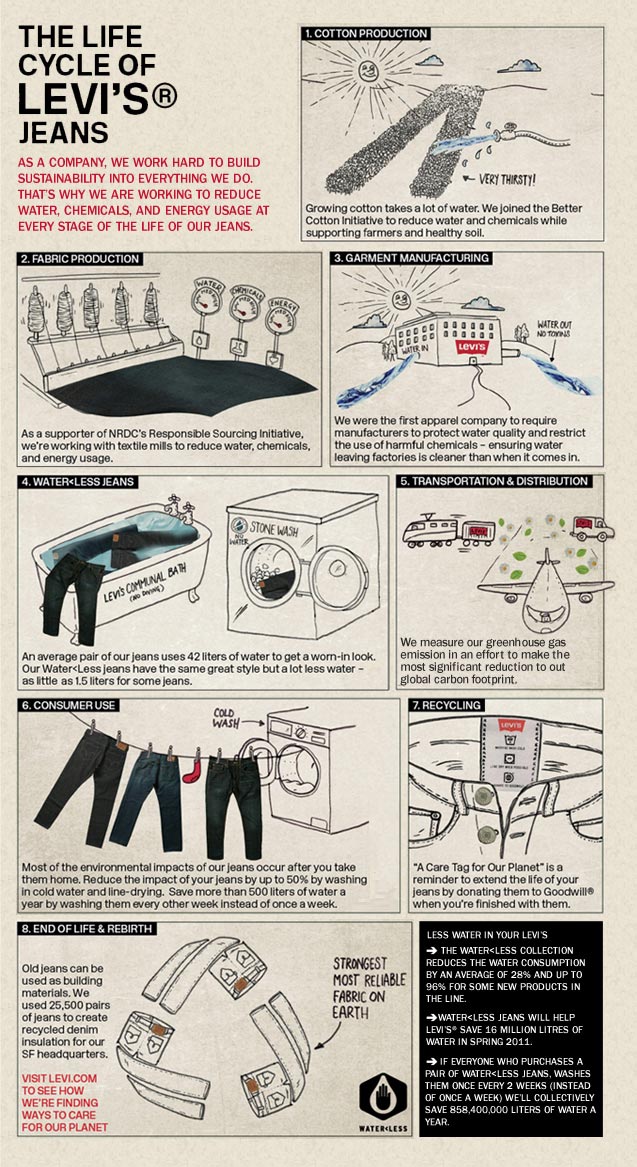
Social intrapreneurship may not be a common phrase in corporations, but attention to the phenomenon is growing. The BMW Foundation, created by the famous car manufacturer in 1970, has identified social intrapreneurship as a key focus area. The foundation views social intrapreneurship as a vehicle that benefits employees, companies, and communities. Benefits to companies are explored in a 2013 Guardian article, "How Does a Social Entrapreneur Add Value to a Business?" Author Emma Stewart asserts that social intrapreneurs provide innovative products and services, such as GE's Ecomagination line and Levi's Water
"Superheroes in Business Suits: Why the World Needs Social Intrapraneurs" by Nate Silver discusses the solutions to social challenges that arise when social and environmental change is informed by functional business expertise and supported by corporate networks and resources.

In the case of Levi's Water>Jeans, the corporation benefited through a new, innovative product that meets the needs of consumers who want to have less of an environmental impact. Employees benefit from the sense of meaning and accomplishment from achieving a significant impact in terms of reduced water usage in the production cycle of denim jeans.

Any employee of any business can make a case for a social intrapreneurship project; however, some organizational cultures contribute to the success of social intrapreneurs. Net Impact found that the support and openness of managers provided the best context for social intrapreneurship.

Now that you know you don't have to be in the CSR department to advocate for positive social and environmental change, what passion project will you advance at work?

Thursday, September 5, 2013

Brewing for Good

Kim Marotta, Director of Sustainability, MillerCoors, writes today in CSRWire about how employees are critical to achieving a company's sustainability goals. When Miller and Coors merged five years ago, the new company adopted the theme, "Great Beer, Great Responsibility." The brewing giant has worked to reduce water usage, improve waste management, and encourage responsible drinking and designated drivers, and in the last year, has reported the best results so far in its sustainability report, Brewing for Good.

Many companies can forget that without employee support and engagement, environmental and social sustainability goals will wither: employees are the mechanism by which most initiatives rise or fall. MillerCoors knows this and provides ample opportunities for employees to provide ideas, express feedback, and get involved in direct action.

Marotta notes five principles that MillerCoors relies on to maintain employee enthusiasm in social and environmental causes.

  1. Know Where You Stand - Marotta suggests not just providing the important accounting of energy used, waste diverted from landfills, and reduced water use, but measuring employee opinions and priorities regarding social and environmental sustainability.
  2. Invite Employees to Be Sustainability Ambassadors - MillerCoors has a 35 member Sustainability Council that advises the company and suggests initiatives, but other companies have used this concept to unify different locations around sustainability. Interface, for example, has a similar program, and all the company's ambassadors go through a training.
  3. Be Global, Act Local - At MillerCoors, the company celebrates "Great Water Month." (You cannot have good beer without good water!) The entire company is unified around the theme, but different locations engage in activities meaningful to their area. (See this September 2010 post.) These activities allow employees to volunteer together while partnering with a local non-profit organization to make a difference in the communities where they live and work.
  4. Market Sustainablity - Marotta describes a new position, a Sustainability Marketing Brand Manager, to ensure the company sends a unified message across brands. Earlier this year, they partnered with RecycleBank on a campaign to educate consumers with specially marked packages. Companies should promote their sustainability initiatives and should create social marketing campaigns, but they also need to avoid the seven sins of greenwashing.
  5. Share Your Stories - The new blog, Behind the Beer, provides a wealth of stories about employees who are working on MillerCoors social and environmental initiatives. Shared stories help establish values and develop culture. I can't wait to read more of the entries!